Living in Elizabeth City offers many benefits, from scenic waterfront views to mild winters and a relaxed coastal atmosphere. However, the same climate that makes the area appealing can also be hard on your home’s exterior paint. Coastal humidity, rainfall, salt exposure, and fluctuating temperatures all contribute to paint deterioration over time.
Exterior paint is more than decorative. It serves as a protective barrier against moisture intrusion, wood rot, UV damage, and structural wear. In humid regions like northeastern North Carolina, protecting that barrier requires the right products, proper preparation, and ongoing maintenance.
If you want your exterior paint to last as long as possible, understanding how humidity affects your home is the first step.
Why Coastal Humidity Is Hard on Exterior Paint
Humidity refers to the amount of moisture present in the air. In Elizabeth City, humidity levels remain relatively high for much of the year. When moisture lingers on siding and trim, it creates conditions that weaken paint adhesion.
Here is how humidity causes problems:
- Moisture absorption into wood and porous materials
- Expansion and contraction as materials dry and reabsorb moisture
- Growth of mildew and mold on damp surfaces
- Reduced drying time during paint application
Over time, repeated exposure leads to cracking, peeling, blistering, and fading.
Homes near rivers, marshland, or open water may experience even higher moisture exposure due to salt air and constant dampness.
The Most Common Humidity-Related Paint Problems
Homeowners in Elizabeth City frequently encounter several recurring issues tied to moisture.
Peeling and Flaking
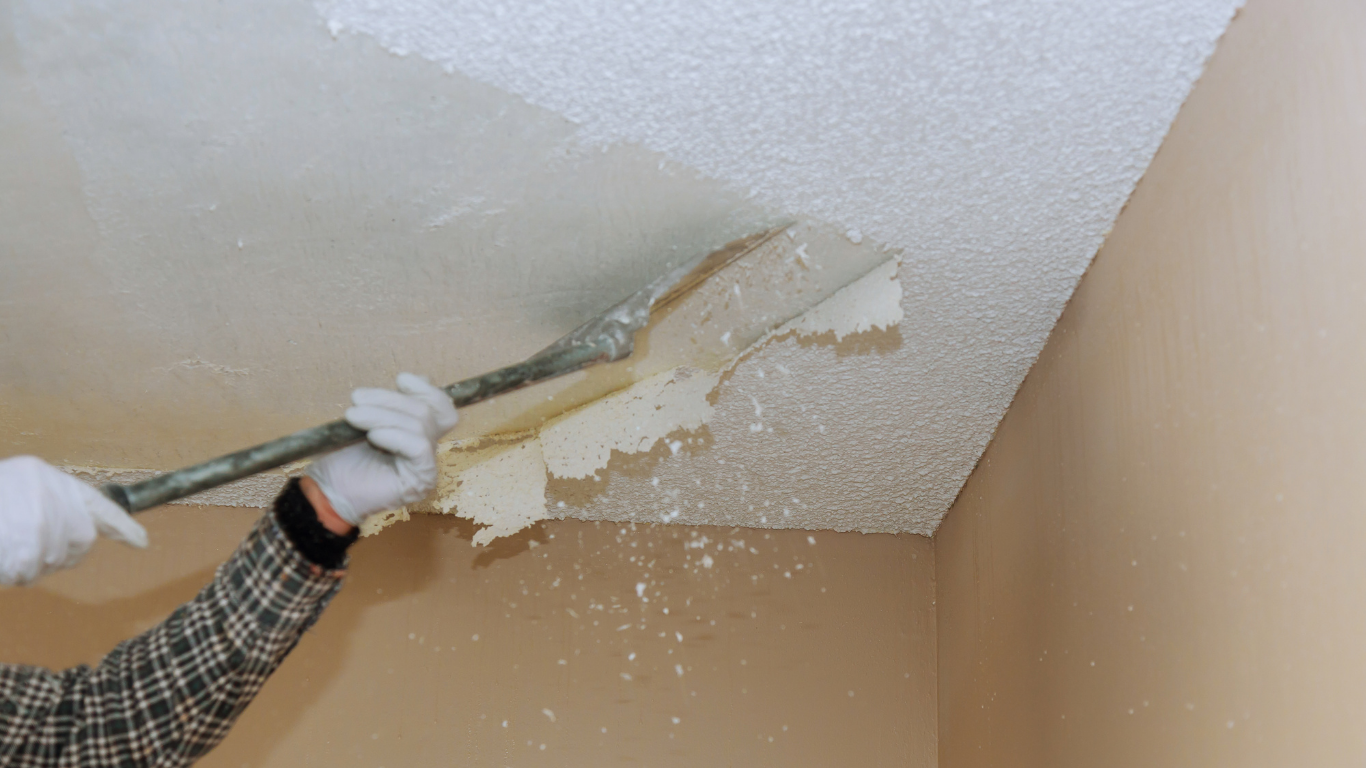
When water seeps beneath paint layers, it breaks the bond between paint and substrate. Peeling often begins around trim, windows, and soffits.
Bubbling or Blistering
Trapped moisture creates pressure beneath the paint surface, forming visible bubbles.
Mildew Staining
Dark streaks or green patches appear on shaded areas where sunlight does not fully dry surfaces.
Wood Rot
If moisture penetrates through cracked paint and damaged caulk, underlying wood can soften and decay.
Fading
Constant sun exposure combined with moisture can cause paint pigments to break down faster.
Recognizing these signs early prevents more extensive structural damage.
Selecting the Right Exterior Paint for Humid Climates
Choosing the right paint product is one of the most important decisions you can make.
For homes in Elizabeth City, exterior paints should include:
High-Quality Acrylic Resins
Acrylic latex paints are flexible and expand and contract with temperature changes. This flexibility reduces cracking.
Mildew-Resistant Additives
Special formulations help prevent mold growth on painted surfaces.
UV Protection
Sunlight can degrade paint over time. UV-resistant pigments extend color life.
Breathable Formulas
Breathable paints allow moisture vapor to escape while preventing liquid water from entering.
Premium paint products may cost more upfront but typically last longer in humid environments.
Preparation Is the Foundation of Longevity
Even the best paint will fail if applied to a poorly prepared surface. In humid regions, preparation is especially critical.
Professional preparation typically includes:
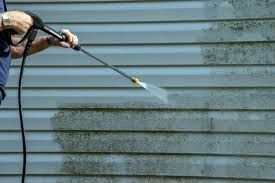
Pressure washing to remove dirt, mildew, and loose paint
Scraping peeling areas
Sanding rough edges
Replacing damaged wood
Applying mildew treatment solutions
Priming bare or repaired surfaces
Primer creates a sealed, stable base that enhances adhesion and blocks stains.
Skipping preparation is one of the primary reasons exterior paint fails prematurely.
The Importance of Caulking and Sealing
Moisture often enters through small cracks around windows, doors, and trim boards.
Replacing old, cracked caulking helps:
Prevent water infiltration
Reduce air leaks
Improve energy efficiency
Protect underlying wood
High-quality exterior caulk remains flexible in changing temperatures, reducing the risk of cracking.
Inspecting and resealing joints every few years can significantly extend the life of your paint job.
Timing Your Exterior Painting Project
Humidity affects not only long-term durability but also immediate application.
Painting during excessively humid conditions can:
Slow drying time
Cause improper curing
Lead to adhesion problems
Create uneven sheen
Ideal painting conditions include moderate humidity, dry surfaces, and temperatures between 50 and 85 degrees.
In Elizabeth City, spring and fall typically offer the best balance of temperature and moisture levels.
Monitoring weather forecasts carefully before beginning a project is essential.
Maintenance Practices That Extend Paint Life
Ongoing maintenance helps protect your home between repaint cycles.
Recommended steps include:
Inspecting exterior surfaces annually
Cleaning mildew spots as soon as they appear
Clearing gutters to prevent overflow
Ensuring downspouts direct water away from siding
Trimming vegetation away from exterior walls
Even simple actions like keeping shrubs from touching siding can improve airflow and reduce moisture retention.
Regular upkeep reduces the need for frequent repainting.
Repainting Frequency in Coastal Environments
In humid climates, repainting schedules may be slightly shorter than in drier regions.
Typical timelines include:
Wood siding every 5 to 8 years
Fiber cement every 7 to 10 years
Properly coated brick every 8 to 12 years
However, longevity depends heavily on preparation quality and product selection.
Homes with significant sun exposure may require repainting sooner on south- and west-facing walls.
Why Professional Application Matters
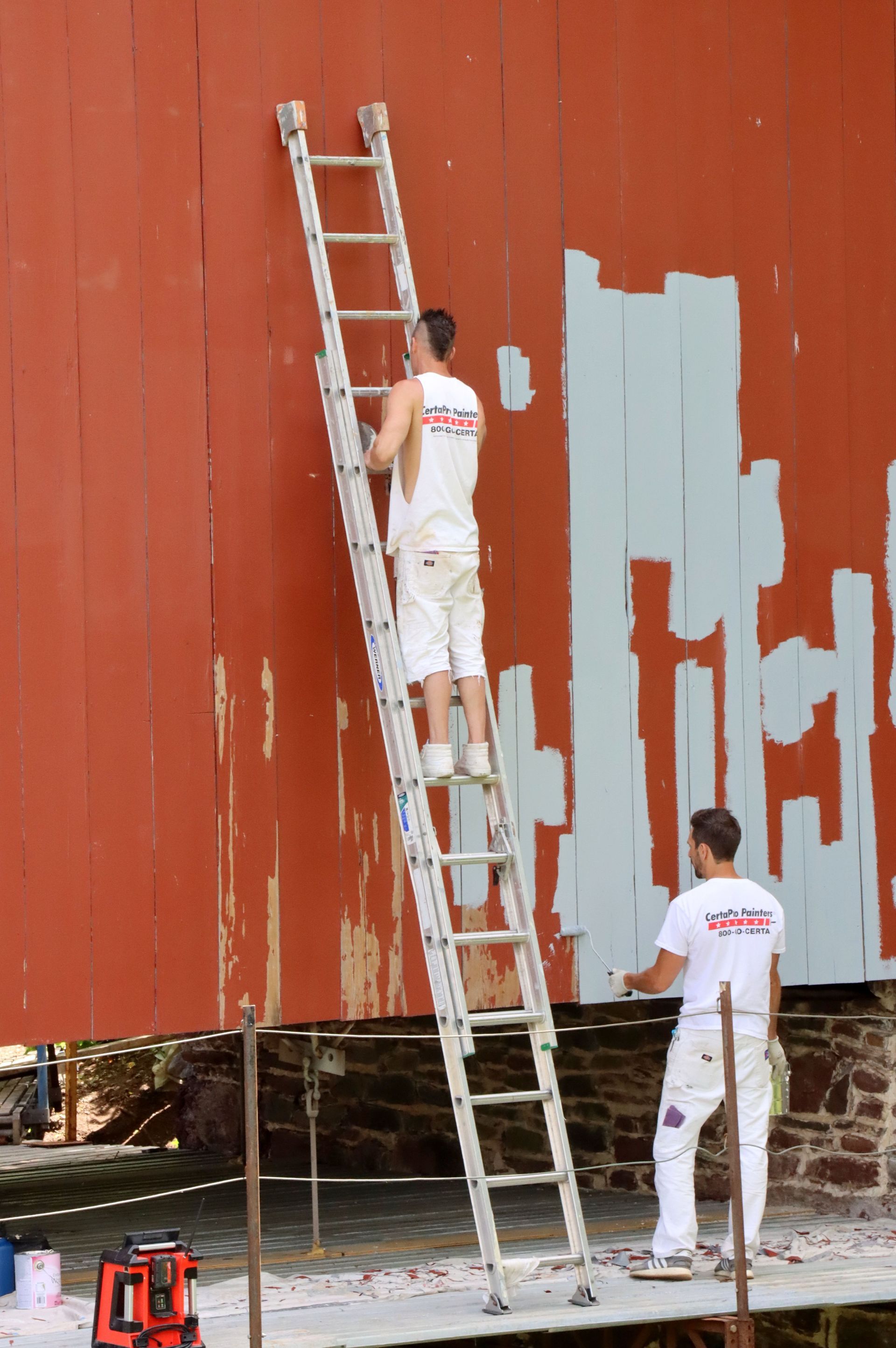
Painting in humid climates requires experience and attention to detail.
Professionals understand:
How to test surface moisture levels
When surfaces are dry enough to paint
Which products perform best locally
How to layer primer and paint correctly
How thick coats should be for durability
Improper application can trap moisture beneath the paint film, shortening its lifespan.
Working with experienced painters ensures that humidity is accounted for at every stage.
Frequently Asked Questions
Does humidity always cause paint to peel?
Not always, but prolonged moisture exposure significantly increases the risk.
Can mildew grow through paint?
Yes, if the surface was not properly cleaned and treated beforehand.
Is there a waterproof paint option?
Exterior paints are water-resistant but still rely on proper sealing and maintenance.
Should I repaint immediately if I see mildew?
Small areas can sometimes be cleaned and touched up, but widespread issues may require repainting.
Does siding material affect durability?
Yes. Wood is more vulnerable to moisture than fiber cement or brick.
Protecting Your Investment in Elizabeth City
Your home’s exterior paint is one of its first lines of defense against the elements. In Elizabeth City’s humid environment, protecting that defense requires careful product selection, thorough preparation, regular maintenance, and professional application.
By addressing moisture issues proactively and repainting before significant damage occurs, homeowners can preserve both curb appeal and structural integrity.
Wayne White Painting has extensive experience working with homes throughout Elizabeth City and surrounding communities. With a clear understanding of local climate challenges, we focus on preparation, product quality, and precision application to deliver results designed to withstand coastal humidity.