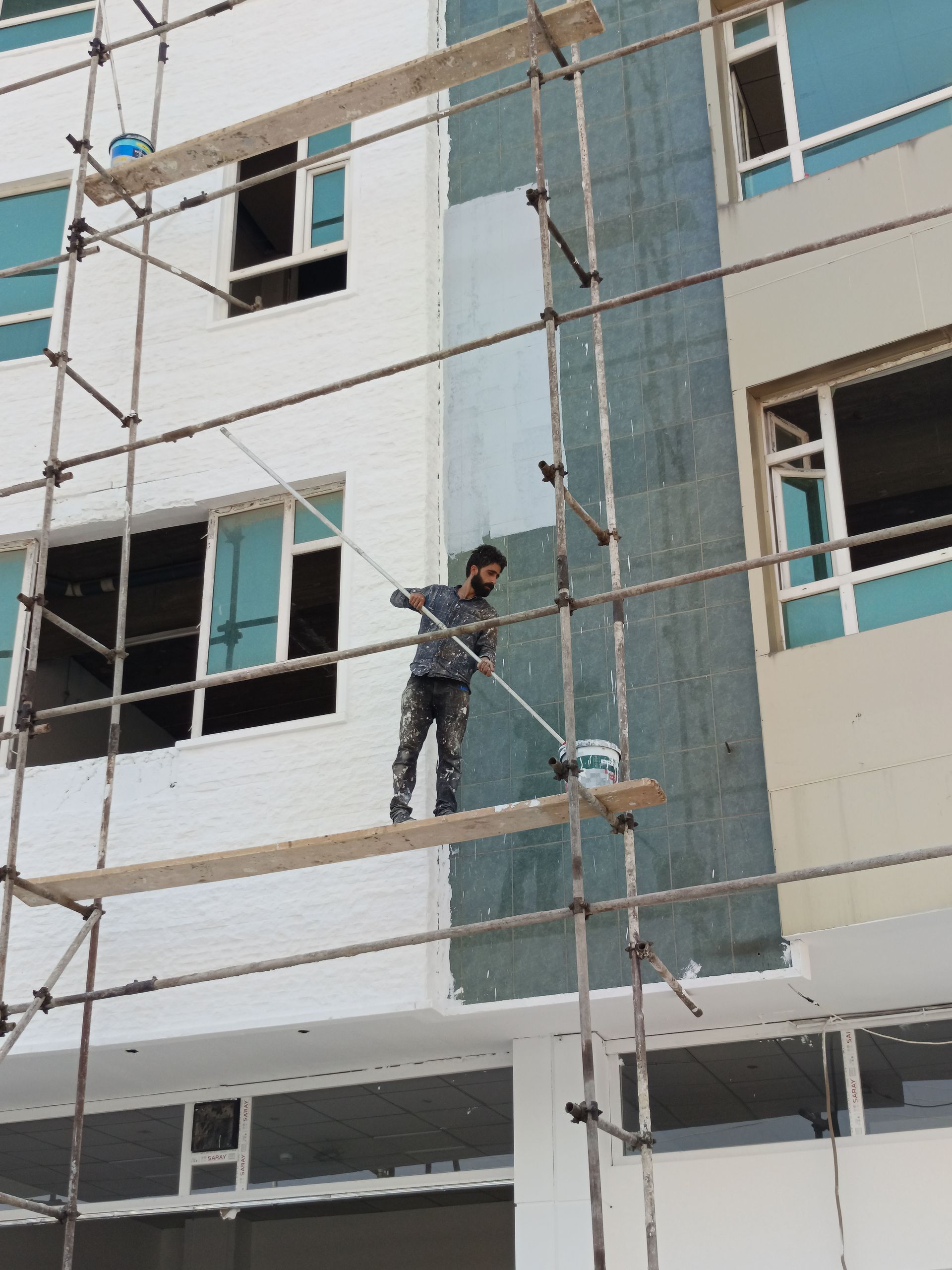
Exterior painting is one of the most important maintenance investments you can make as a homeowner. A properly applied paint job protects siding, trim, and structural elements from moisture, sun damage, and long-term deterioration. However, what many homeowners do not realize is that the success of an exterior paint job depends heavily on preparation—specifically, pressure washing.
In Elizabeth City, NC, environmental conditions such as humidity, rainfall, pollen, and occasional coastal air exposure create buildup on exterior surfaces. Dirt, mildew, algae, chalking paint, and airborne contaminants can accumulate gradually and become invisible to the eye. Painting over these contaminants compromises adhesion and reduces the lifespan of your new paint.
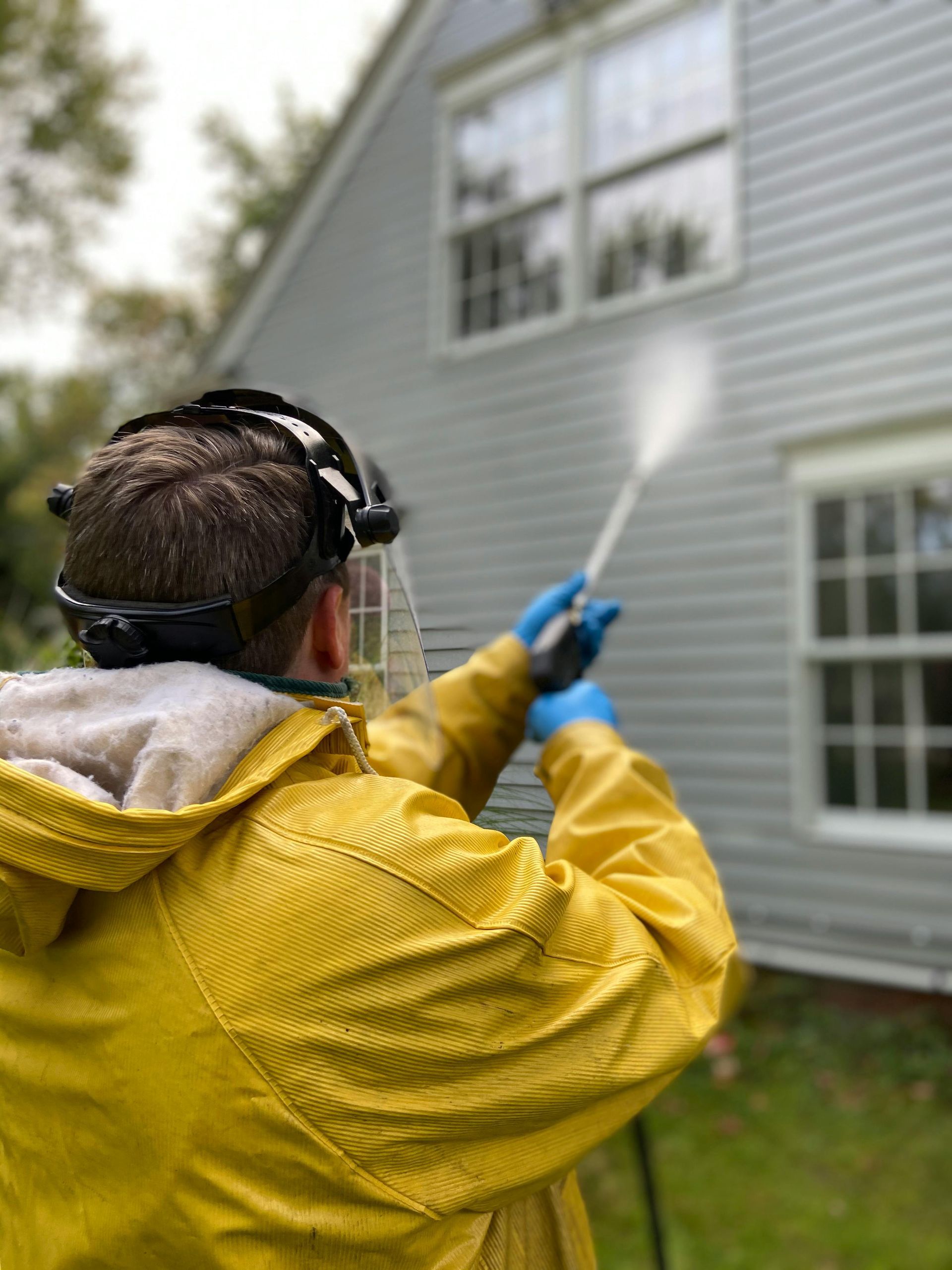
Pressure washing is not an optional step. It is a foundational part of professional exterior painting preparation. This guide explains why it matters, how it works, and how it ensures a long-lasting result.
Why Exterior Surfaces Accumulate Contaminants in Elizabeth City
Homes in Elizabeth City face environmental factors that contribute to surface buildup year-round. Even if your home appears relatively clean, contaminants are often present.
Common contributors include:
- High humidity levels that encourage mold and mildew growth
- Heavy pollen in spring months
- Frequent rainfall that splashes dirt onto siding
- Tree coverage that promotes algae growth in shaded areas
- UV exposure that causes chalking on painted surfaces
- Salt air exposure in waterfront neighborhoods
Over time, these factors create a thin film on exterior surfaces. That film prevents paint from bonding correctly.
What Happens If You Paint Without Washing First
Skipping pressure washing can lead to serious performance issues. When paint is applied over dirt or mildew, it adheres to the contamination instead of the siding itself.
Common problems include:
- Premature peeling
- Bubbling or blistering
- Uneven texture
- Stain bleed-through
- Trapped moisture beneath paint layers
- Shortened repaint cycle
A paint job that should last 8 to 10 years may begin failing within 2 to 3 years if preparation is rushed.
How Pressure Washing Improves Adhesion
Paint requires a clean and stable surface to bond properly. Pressure washing removes:
- Surface dirt and dust
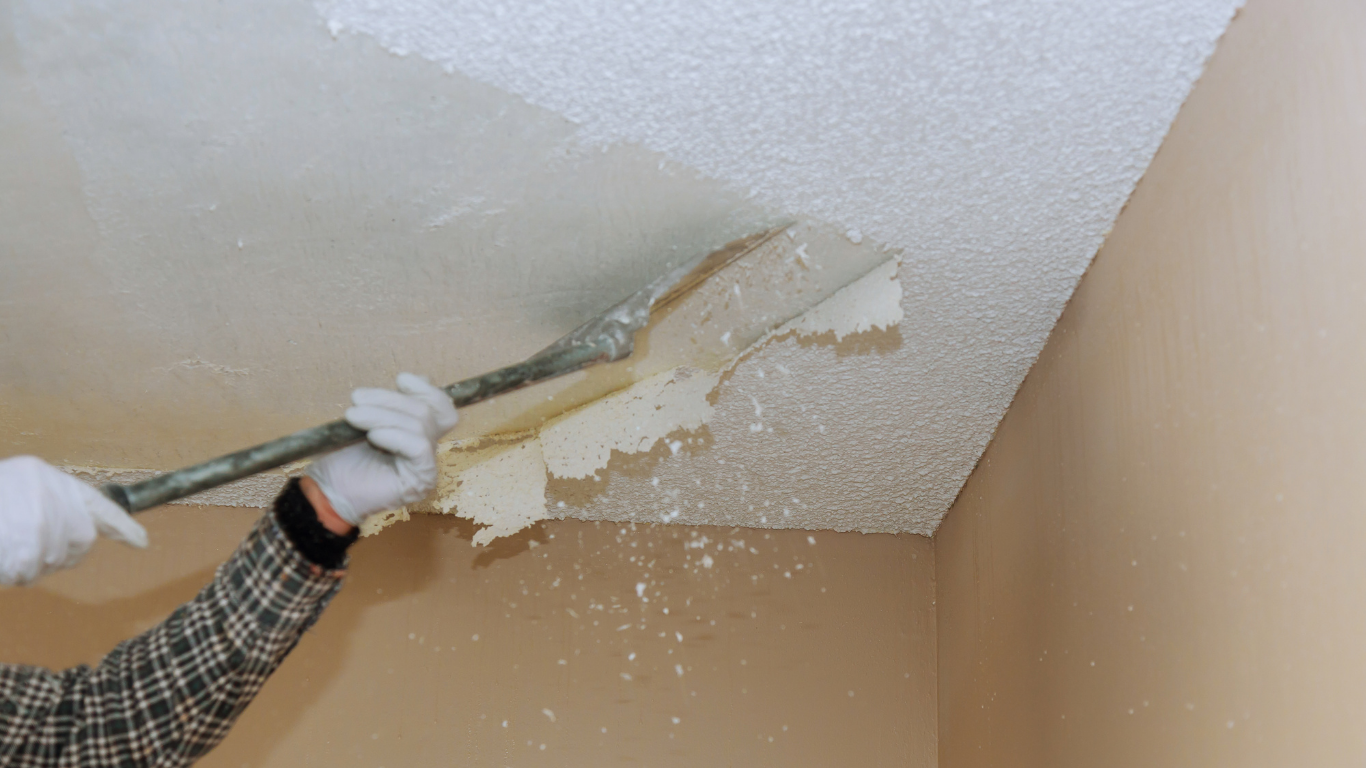
- Loose and flaking paint
- Mold and mildew spores
- Algae and organic growth
- Insect debris and cobwebs
- Oxidation and chalking
By stripping away these contaminants, the substrate becomes ready for scraping, sanding, priming, and painting.
Without this step, primer cannot fully penetrate and seal the surface.
The Role of Mildew Treatment in Humid Climates
Humidity is a consistent factor in eastern North Carolina. Mold and mildew thrive in damp, shaded areas, especially on north-facing walls.
Professional exterior preparation often includes:
- Applying a mildew-killing solution
- Allowing adequate dwell time
- Thorough rinsing
- Inspection for regrowth
Painting over untreated mildew does not solve the problem. It simply seals it in temporarily, allowing it to resurface later.
Using mildew-resistant primers and paints further enhances protection.
Proper Technique Prevents Damage
While pressure washing is essential, improper use can cause harm. Excessive pressure can:
- Gouge wood siding
- Force water behind vinyl panels
- Crack mortar joints
- Damage window seals
- Strip away too much paint
Professional painters understand how to adjust pressure settings and nozzle angles depending on the surface type. For example:
- Vinyl siding requires lower pressure
- Brick tolerates higher pressure
- Wood siding requires controlled application
Experience ensures thorough cleaning without structural damage.
Surface Types That Require Washing Before Painting
Different exterior materials benefit from pressure washing in different ways.
Wood Siding
Removes loose paint and prepares surface for scraping and sanding.
Vinyl Siding
Eliminates chalky oxidation and organic buildup.
Brick and Masonry
Removes dirt and mildew before sealing or painting.
Fiber Cement Siding
Clears dust and ensures primer adhesion.
Decks and Railings
Essential before staining or sealing to prevent blotching.
Each surface requires proper drying time before painting begins.
Drying Time After Pressure Washing
After washing, surfaces must dry completely before priming or painting. In Elizabeth City’s humid climate, drying may take longer than in arid regions.
General recommendations include:
- 24 to 48 hours of dry weather
- Longer drying for shaded areas
- Extra time for wood siding
Painting too soon can trap moisture, leading to blistering and peeling.
Professional painters monitor moisture levels before proceeding.
Pressure Washing as an Inspection Tool
An often-overlooked benefit of pressure washing is improved visibility. Once dirt and debris are removed, hidden issues become easier to identify.
Pressure washing can reveal:
- Wood rot
- Cracked caulking
- Nail pops
- Damaged trim
- Failing previous paint layers
Addressing these problems before painting ensures structural protection and a smoother finish.
Environmental Responsibility During Washing
Professional pressure washing also involves protecting surrounding property. Care is taken to:
- Shield landscaping and flower beds
- Prevent overspray onto vehicles
- Manage runoff responsibly
- Use appropriate cleaning agents
Protecting your home includes protecting your property and surroundings.
Long-Term Cost Savings
Some homeowners view pressure washing as an added expense. In reality, it protects your investment.
Proper washing:
- Extends paint life
- Reduces need for early repainting
- Minimizes repair costs
- Improves overall finish quality
The cost of repainting prematurely due to poor prep far exceeds the cost of thorough washing.
Frequently Asked Questions
Is pressure washing required for every exterior paint job?
In most cases, yes. Even newer homes accumulate dirt and mildew.
Can I use a garden hose instead?
A hose lacks the pressure needed to remove deep contaminants.
How long should surfaces dry before painting?
At least 24 to 48 hours, depending on humidity and weather conditions.
Does pressure washing remove all old paint?
It removes loose paint, but scraping and sanding are still necessary.
Can washing damage older homes?
Not when done properly with controlled pressure and correct techniques.
The Foundation of a Durable Exterior Paint Job
Exterior painting is about more than appearance. It protects your home from moisture intrusion, UV damage, and structural wear. Pressure washing is the first and most critical step in ensuring that protection lasts.
In Elizabeth City, where humidity and environmental buildup are ongoing challenges, skipping this step significantly reduces paint performance.
Wayne White Painting includes professional surface preparation as part of every exterior project. By starting with thorough pressure washing, we help ensure that your home’s new paint bonds properly and delivers long-term durability.