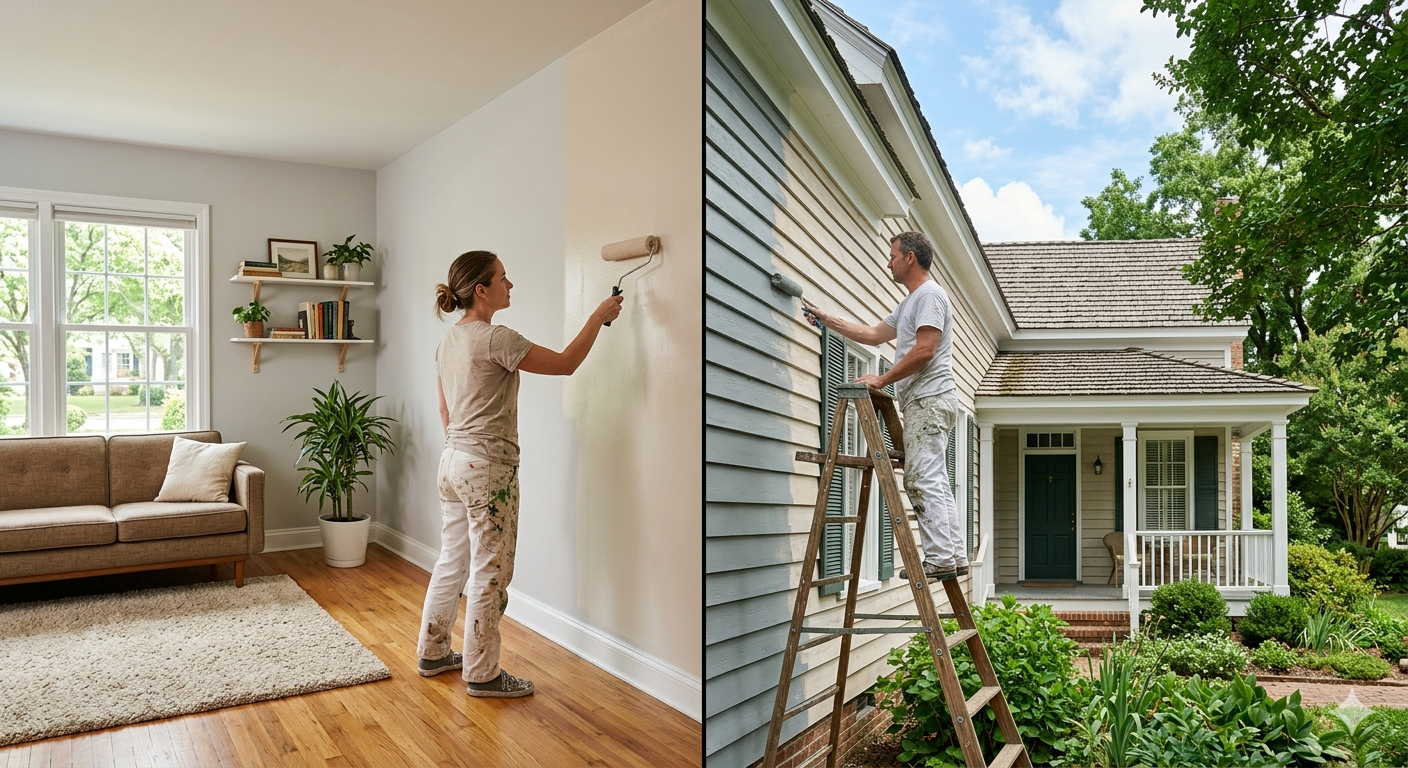
Painting your home is one of the most effective ways to protect and refresh your property. However, interior and exterior painting are not the same. They require different materials, preparation methods, application techniques, and maintenance schedules. For homeowners in Elizabeth City, NC, understanding these differences is essential for making informed decisions about timing, budgeting, and long-term protection.
Both interior and exterior painting improve appearance and value, but each serves a different purpose. Interior paint focuses on aesthetics, durability, and indoor air quality. Exterior paint is designed to withstand moisture, sunlight, temperature swings, and coastal conditions.
This guide explains the key differences, timelines, materials, and considerations specific to homes in Elizabeth City and surrounding areas.
The Purpose of Interior Painting
Interior painting is primarily about:
- Enhancing comfort and style
- Protecting walls from wear and tear
- Improving indoor air quality with modern low-VOC products
- Increasing resale value
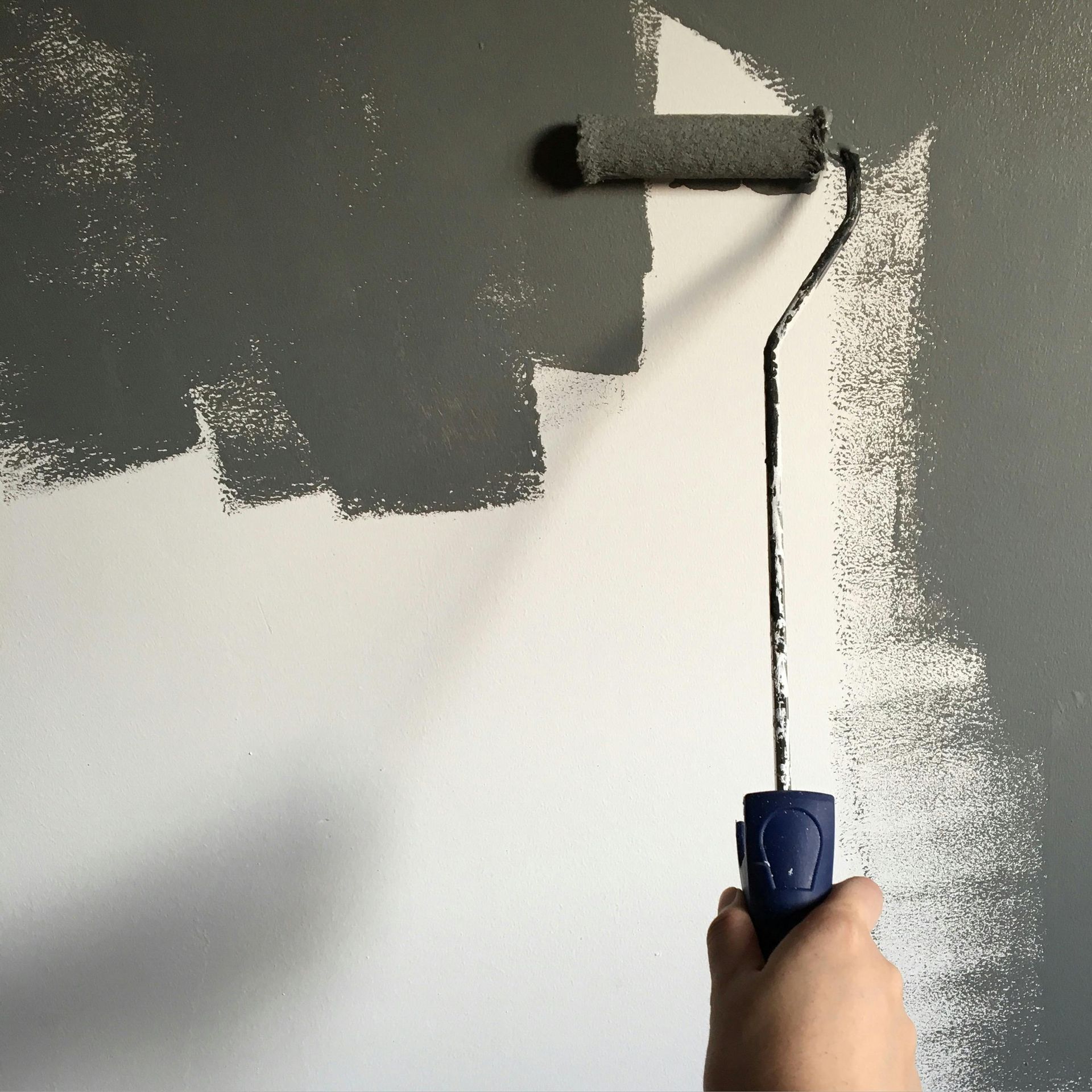
Inside the home, paint must handle daily activity such as cleaning, furniture contact, humidity from showers or cooking, and occasional scuffs or marks. While interiors are not exposed to rain or UV rays, they still experience moisture and temperature changes.
Interior paint is formulated to:
- Be washable and scrubbable
- Resist staining
- Offer various sheens for different room types
- Maintain color consistency under artificial and natural lighting
Because it does not need to withstand harsh weather, interior paint typically contains fewer additives related to weather resistance.
The Purpose of Exterior Painting
Exterior painting serves a much more protective function. It is the first barrier between your home and the elements. In Elizabeth City, exterior paint must handle:
- Humid summers
- Occasional heavy rainfall
- Salt exposure in waterfront areas
- UV damage from sun exposure
- Seasonal temperature changes
Exterior paint is specifically designed to expand and contract with siding materials, resist fading, and prevent moisture infiltration.
It often contains:
- Mildew-resistant additives
- UV blockers
- Flexible resins to reduce cracking
- Strong adhesion properties
Without quality exterior paint, siding and trim can deteriorate faster, leading to costly repairs.
Key Differences in Paint Formulation
One of the biggest differences between interior and exterior painting lies in the chemistry of the paint itself.
Interior paint focuses on:
- Smooth finish
- Low odor
- Stain resistance
- Washability
Exterior paint focuses on:
- Weather resistance
- Mold and mildew resistance
- UV stability
- Durability against expansion and contraction
Exterior paint is not suitable for indoor use because it contains additives that may produce strong odors or release compounds not intended for enclosed environments. Likewise, interior paint should never be used outdoors because it lacks weather resistance.
Differences in Surface Preparation
Preparation is critical in both interior and exterior painting, but the process differs significantly.
Interior prep may include:
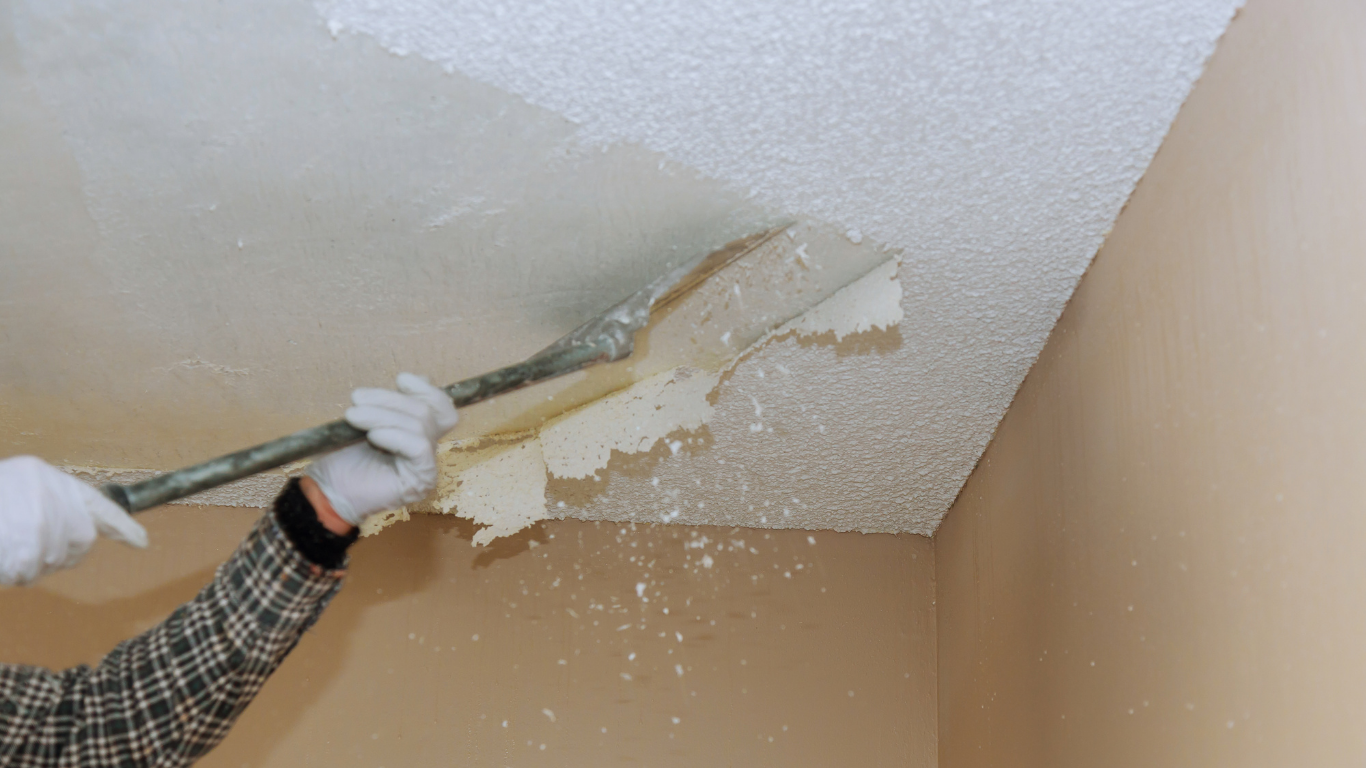
- Patching drywall
- Sanding glossy surfaces
- Cleaning grease or dust
- Priming over stains
Exterior prep typically involves:
- Pressure washing
- Scraping loose or peeling paint
- Sanding rough areas
- Repairing wood rot
- Caulking joints and seams
- Applying exterior-grade primer
Exterior preparation is often more labor-intensive due to exposure damage and structural considerations.
Timeline Differences
Interior painting can be done year-round in Elizabeth City with proper ventilation. Climate does not significantly restrict scheduling.
Exterior painting, however, depends heavily on weather conditions. Ideal conditions include:
- Dry surfaces
- Moderate humidity
- Temperatures between 50 and 85 degrees
- No rain in the forecast
Spring and fall are typically optimal seasons for exterior painting in eastern North Carolina. Summer projects require careful monitoring of humidity and heat levels.
Durability and Repainting Frequency
Interior walls generally need repainting every 3 to 8 years depending on the room. Exterior surfaces typically require repainting every 5 to 10 years depending on:
- Siding material
- Sun exposure
- Previous preparation quality
- Paint grade used
Homes near water or in highly humid areas may need exterior repainting sooner due to moisture exposure.
Cost Differences
Exterior painting generally costs more than interior painting due to:
- Larger surface areas
- Additional prep work
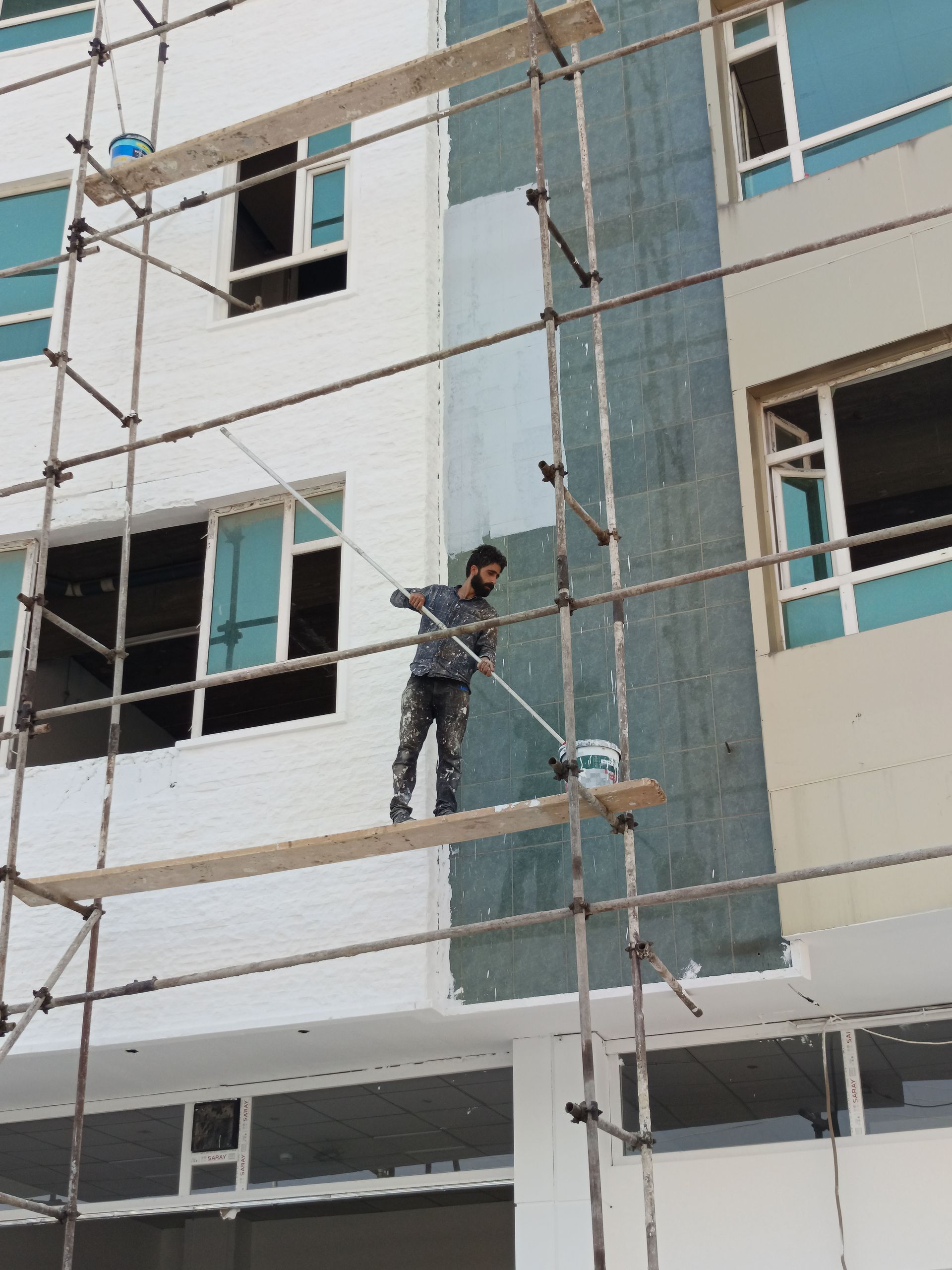
- Equipment such as ladders or scaffolding
- Higher-grade weather-resistant paint
Interior painting costs vary based on room size, ceiling height, trim work, and surface condition.
While exterior painting may require a larger upfront investment, it protects structural materials and can prevent expensive repairs later.
Safety Considerations
Interior painting requires ventilation and dust control but typically poses fewer safety risks.
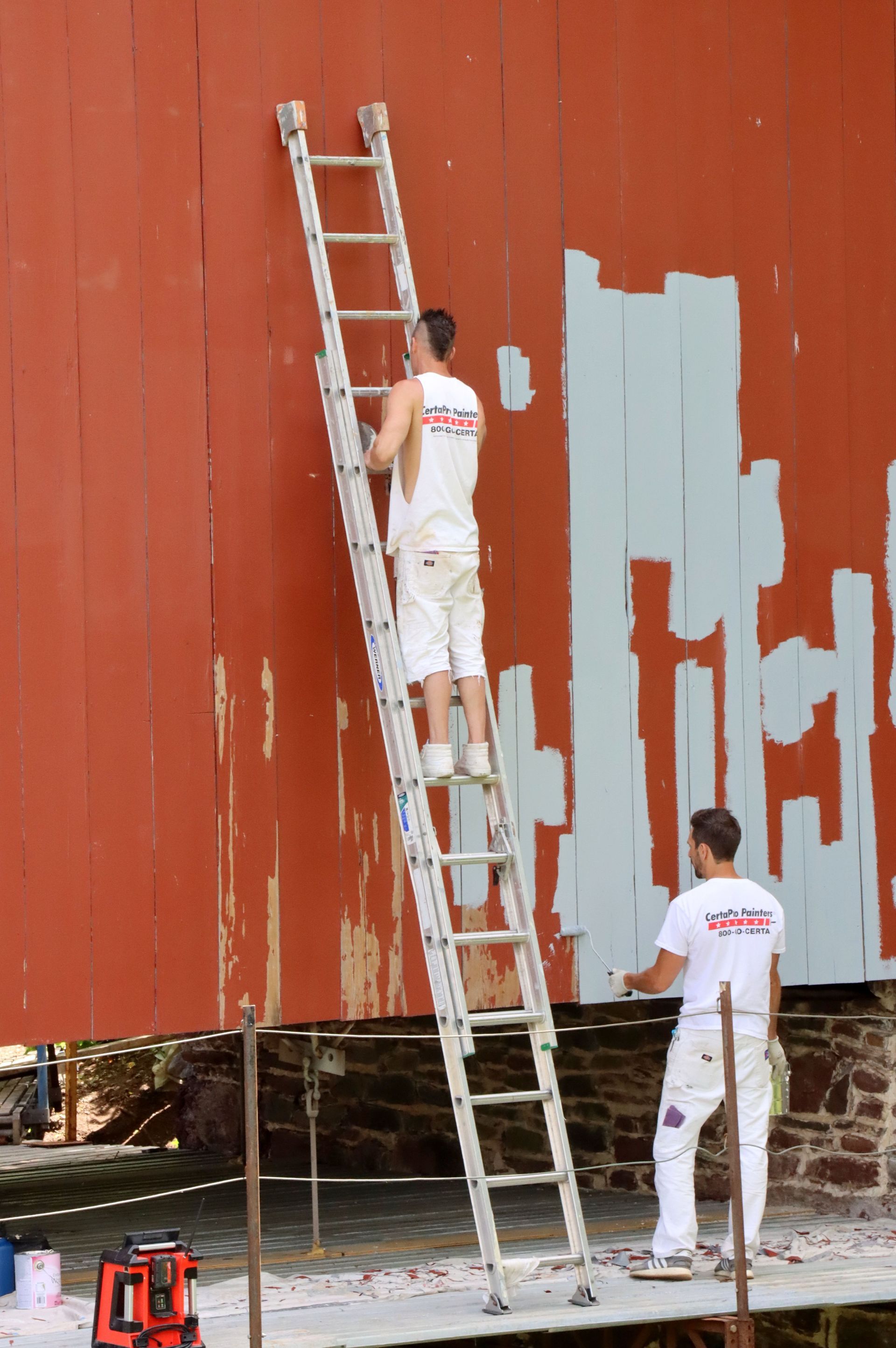
Exterior painting involves:
- Working at heights
- Ladder safety
- Handling power washing equipment
- Managing weather exposure
Professional painters are trained to handle these risks safely.
Choosing the Right Contractor for Each Job
Some painting contractors specialize in interior work, while others focus on exterior projects. Ideally, you want a company experienced in both.
A professional team should:
- Evaluate surface conditions thoroughly
- Recommend appropriate paint types
- Follow proper prep procedures
- Provide clear timelines
- Maintain clean job sites
Hiring experienced professionals ensures the job is done correctly the first time.
Frequently Asked Questions
Can I use exterior paint indoors for extra durability?
No. Exterior paint contains additives not intended for enclosed indoor spaces.
Is interior painting less expensive than exterior painting?
Generally yes, but costs depend on scope and surface condition.
How long does exterior paint last in Elizabeth City?
Typically 5 to 10 years depending on siding type and exposure.
Can interior and exterior painting be done at the same time?
Yes, though scheduling and weather conditions must be considered.
Which project adds more value to my home?
Both add value. Exterior painting improves curb appeal, while interior painting enhances livability and buyer perception.
Which Should You Prioritize?
If your exterior shows peeling, fading, or wood damage, it should take priority because it protects your home’s structure. If your interior looks worn but the exterior is stable, an interior refresh may improve daily comfort and resale appeal.
In many cases, homeowners stagger projects over several years to manage costs while maintaining both appearance and protection.
Work With a Local Painting Professional in Elizabeth City
Wayne White Painting provides both interior and exterior painting services throughout Elizabeth City and surrounding communities. With more than 20 years of experience, we understand how local climate conditions affect exterior surfaces and how to create durable, beautiful interior finishes.
Whether you are updating your living space or protecting your home’s exterior, choosing the right materials and preparation methods makes all the difference.